The Commercial Refrigeration Market in 2026
A Growing Market Driven by Multiple Forces
The commercial refrigeration industry enters 2026 in a period of sustained growth driven by a convergence of factors that are expanding demand across virtually every market segment. The global cold chain continues to grow in both scale and complexity as consumer expectations for fresh, high-quality food products increase, e-commerce grocery and meal delivery services expand their reach, and pharmaceutical cold chain requirements become more demanding. Industry analysts estimate the global commercial refrigeration market at well over 40 billion dollars annually, with growth rates consistently exceeding general GDP growth across most developed and developing economies. For businesses that manufacture, sell, install, or operate commercial refrigeration equipment, understanding the forces shaping this market is essential for strategic planning and investment decisions.
Cold Chain Expansion Remains the Primary Growth Driver
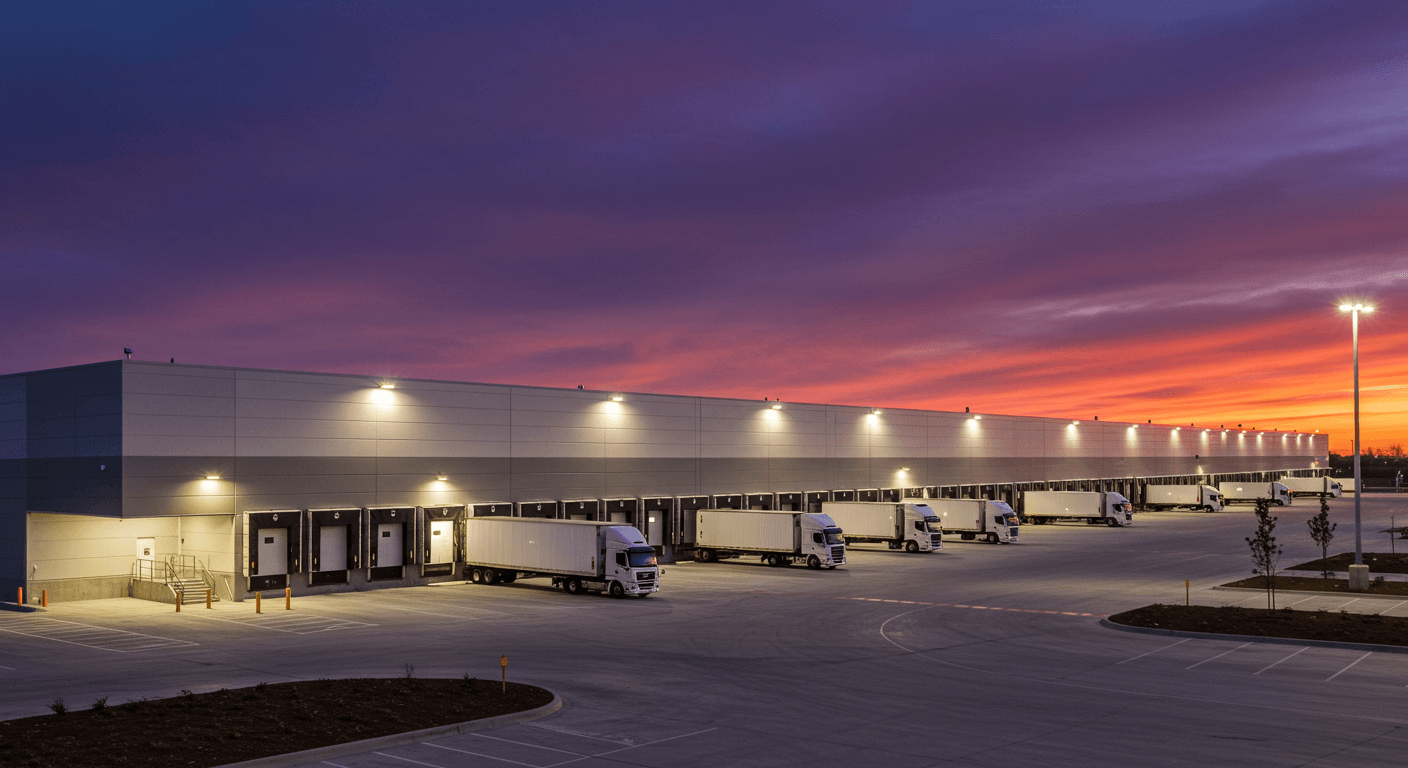
The cold chain, which encompasses the entire network of refrigerated production, storage, transportation, and retail infrastructure that keeps perishable products at safe temperatures from origin to consumer, continues to expand globally. In developed markets like the United States and Western Europe, cold chain growth is driven primarily by changing consumer preferences. Consumers are increasingly choosing fresh, minimally processed foods over shelf-stable alternatives, driving demand for additional refrigerated storage capacity at every stage of the supply chain. The continued growth of online grocery ordering and home delivery services requires new models of cold storage infrastructure, including last-mile fulfillment centers with walk-in coolers and freezers positioned close to residential areas for rapid delivery.
In developing markets across Asia, Africa, and Latin America, cold chain expansion is being driven by rising incomes, urbanization, and government investments in food safety infrastructure. The United Nations Food and Agriculture Organization estimates that approximately 14 percent of global food production is lost between harvest and retail due to inadequate cold chain infrastructure, and reducing this loss is a priority for food security and economic development. This represents an enormous addressable market for commercial refrigeration equipment manufacturers, and International Coolers is well positioned to serve the growing demand for quality cold storage solutions in both domestic and international markets.
Regulatory Pressure on Refrigerants Accelerates Transition
The ongoing transition away from high-global-warming-potential synthetic refrigerants continues to reshape the commercial refrigeration industry in 2026. The Kigali Amendment to the Montreal Protocol, which the United States ratified in 2023, commits signatory countries to reducing HFC consumption by 85 percent by the late 2040s. The EPA's AIM Act is implementing this phase-down through production and consumption allowances that are progressively reducing the availability of common HFC refrigerants like R-404A and R-507A, which have been workhorses of the commercial refrigeration industry for two decades.
The replacement options fall into two broad categories: low-GWP synthetic refrigerants and natural refrigerants. Low-GWP synthetics, particularly HFO blends, offer a relatively straightforward transition path because they can be used in equipment designs similar to current HFC systems, requiring modest modifications to components and controls. Natural refrigerants, including carbon dioxide, ammonia, and hydrocarbons like propane and isobutane, offer the lowest environmental impact but require more significant changes to system design, safety provisions, and technician training.
For walk-in cooler and freezer applications, propane-based refrigeration systems are gaining significant traction due to their excellent thermodynamic properties, very low global warming potential, and compatibility with the size range of equipment used in these applications. Charge size limitations imposed by safety standards are being addressed through improved system designs that minimize the amount of refrigerant required, and updated building codes are increasingly accommodating the use of flammable refrigerants in commercial settings with appropriate safety provisions.
IoT and Connected Refrigeration Systems
The integration of Internet of Things technology into commercial refrigeration systems is moving from early adoption to mainstream deployment in 2026. Connected refrigeration systems use sensors, controllers, and cloud-based platforms to monitor equipment performance, track temperatures, detect maintenance needs, and optimize energy consumption in real time. For walk-in cooler and freezer operators, IoT monitoring provides continuous visibility into equipment status from any location, eliminating the need for manual temperature checks and providing instant alerts when conditions deviate from normal parameters.
The value proposition of connected refrigeration goes beyond simple temperature monitoring. Advanced analytics platforms can identify subtle trends in equipment performance that predict component failures before they occur, enabling preventive maintenance that avoids costly emergency repairs and product loss. Energy optimization algorithms analyze operating patterns and adjust compressor run times, defrost schedules, and fan speeds to minimize electricity consumption without compromising temperature performance. Some platforms integrate with utility demand response programs, allowing refrigeration systems to reduce power consumption during peak demand periods in exchange for financial incentives from the utility.
International Coolers is incorporating IoT-ready controls and connectivity options into our equipment lineup, enabling our customers to take advantage of these monitoring and optimization capabilities either at the time of installation or as a future upgrade. Our systems are designed with open protocols that integrate with major building management platforms and third-party monitoring services, providing flexibility for operators who manage equipment from multiple manufacturers across their facilities.
Sustainability as a Business Imperative
Sustainability has evolved from a marketing talking point to a genuine business imperative in the commercial refrigeration industry. Large food retailers, restaurant chains, and food manufacturers are setting aggressive carbon reduction targets that encompass their entire supply chains, including the refrigeration equipment used in their operations. These corporate sustainability commitments are creating demand for refrigeration equipment with lower lifecycle carbon footprints, encompassing both the embodied carbon of the equipment itself and the operational carbon associated with energy consumption and refrigerant emissions during use.
Equipment manufacturers are responding by investing in more sustainable manufacturing processes, incorporating recycled and bio-based materials into their products, transitioning to low-GWP refrigerants and blowing agents, and improving the energy efficiency of their systems. Life cycle assessment tools are becoming standard in the industry, allowing manufacturers and their customers to quantify the total environmental impact of different equipment options and make informed purchasing decisions based on comprehensive sustainability metrics rather than single-attribute comparisons.
Looking Ahead
The commercial refrigeration market in 2026 presents significant opportunities for equipment manufacturers, installers, and operators who are positioned to address the evolving needs of the cold chain. Growth in demand, driven by changing consumer preferences, e-commerce expansion, and global food safety investments, provides a strong revenue tailwind. The regulatory transition on refrigerants creates demand for equipment upgrades and replacements. And the increasing sophistication of IoT monitoring and energy optimization technologies offers new value-creation opportunities that extend beyond the initial equipment sale. International Coolers continues to invest in product development, manufacturing capability, and technical expertise to serve our customers effectively in this dynamic and growing market. Contact us to discuss how we can support your commercial refrigeration needs today and in the years ahead.
Ready to get started on your project?
Whether you are planning a new walk-in cooler, replacing an aging freezer, or exploring insulated metal panel options, our team is ready to help.
Get a Free Quote